
Next batch starts:30/11/2026
Microsoft · Cloud security
For people who protect identities, networks, data and virtual machines in Microsoft Azure. See the topic areas, the lab style and how to check the current exam outline.
50,000+
Students
100%
Career help
70+
Programs
Course details

FutureSkills Prime partner — MeitY and NASSCOM initiative for industry-aligned digital skills.

01
What an Azure security engineer looks after
Moving workloads to the cloud does not remove the need for security work. It moves it. An Azure security engineer decides who may sign in, which networks may talk to which services, how data at rest is protected, and how threats get noticed and handled.
The AZ-500 credential is Microsoft's associate-level badge for that job. It suits administrators, network and system engineers, and security analysts who already know basic Azure and want to specialise in protection.
A word of caution about this page: the module list we have is a mix of cloud basics and hands-on lab topics, and exam objectives change over time. Ask a counsellor for the current outline before you plan your study schedule.
02
Skill areas the training touches
Identity and access
Azure Active Directory, conditional access, role-based access control, and the difference between authentication and authorization.
Network protection
Virtual networks, VPN gateways, VNet peering, ExpressRoute, Azure Firewall and DDoS protection.
Traffic management
Routing, service endpoints, Azure Load Balancer and Application Gateway, with a lab to configure them.
Data and storage
Storage accounts, blob containers, file shares and file sync, and securing storage.
Compute security
Virtual machine planning, creation, availability, scale sets and extensions.
Monitoring and posture
Security Center, Key Vault, Sentinel, Azure Monitor, Policy, Blueprints and Advisor.
Inside our hands-on training labs






Syllabus
Course content, module by module
01Cloud Concepts
- Identify the benefits of cloud computing, such as High Avail-
- ability, Scalability, Elasticity, Agility, and Disaster Recovery
- Identify the differences between Capital Expenditure (CapEx)
- and Operational Expenditure (OpEx)
- Describe the consumption-based mAodel
- Describe the shared responsibility model
- Describe Infrastructure-as-a-Service (IaaS)
- Describe Platform-as-a-Service (PaaS)
- Describe Software-as-a-Service (SaaS)
- Identify a service type based on a use case
- Describe cloud computing
- Describe Public cloud
- Describe Private cloud
- Describe Hybrid cloud
- Compare and contrast the three types of cloud computing
02Azure Core Services
- Describe the benefits and usage of Regions and Region Pairs
- Describe the benefits and usage of Availability Zones
- Describe the benefits and usage of Resource Groups
- Describe the benefits and usage of Subscriptions
- Describe the benefits and usage of Management Groups
- Describe the benefits and usage of Azure Resource Manager
- Explain Azure resources
- Describe the benefits and usage of Virtual Machines, Azure
- App Services, Azure Container Instances (ACI), Azure Kuber-netes Service (AKS), and Windows Virtual Desktop
- Describe the benefits and usage of Container (Blob) Storage,
- Disk Storage, File Storage, and storage tiers
- Describe the benefits and usage of Cosmos DB, Azure SQL
- Database, Azure Database for MySQL, Azure Database for PostgreSQL, and SQL Managed Instance
- Describe the benefits and usage of Azure Marketplace
- Describe the functionality and usage of Azure Resource Man-ager (ARM) templates
03Azure Core Networking Services
- Describe the benefits and usage of Virtual Networks, VPN
- Gateway, Virtual Network peering, and ExpressRoute
04Security, Compliance, Privacy, and Trust
- •Describe basic features of Azure Security Center, including policy
- compliance, security alerts, secure score, and resource hygiene
- Describe the functionality and usage of Key Vault
- the functionality and usage of Azure Sentinel
- Describe the functionality and usage of Azure Dedicated Hosts
- Describe the concept of defense in depth
- Describe the functionality and usage of Azure Firewall
- Describe the functionality and usage of Azure DDoS Protection
- Explain the difference between authentication and authorization
- Define Azure Active Directory
- Describe the functionality and usage of Azure Active Directory
- Describe the functionality and usage of Conditional Access,
- Describe the functionality and usage of Role-Based Access Control (RBAC)
- Describe the functionality and usage of resource locks
- Describe the functionality and usage of tags
- Describe the functionality and usage of Azure Policy
- Describe the functionality and usage of Azure Blueprints
- Describe the Cloud Adoption Framework for Azure
- Describe the functionality and usage of Azure Advisor
- Describe the functionality and usage of Azure Monitor
- Describe the functionality and usage of Azure Service Health
05Azure Solutions
- Describe the benefits and usage of Internet of Things (IoT)
- Hub, IoT Central, and Azure Sphere
- Describe the benefits and usage of Azure Synapse Analytics,
- HDInsight, and Azure Databricks
- Describe the benefits and usage of Azure Machine Learning,
- Cognitive Services, and Azure Bot Service
- Describe the benefits and usage of serverless computing solutions that include Azure Functions and Logic Apps
- Describe the benefits and usage of Azure D
06Azure Pricing, Service Levels, and Lifecycle
- Identify factors that can affect costs (resource types, services, locations, ingress and egress traffic)
- Identify factors that can reduce costs (reserved instances,reserved capacity, hybrid use benefit, spot pricing)
- Describe the functionality and usage of the Pricing Calculator and the Total Cost of Ownership (TCO) Calculator
- Describe the functionality and usage of Azure Cost
- Identify the purpose of an Azure service level agreement (SLA)
- Identify actions that can impact an SLA (e.g., Availability Zones)
- Describe the service lifecycle in Azure (Public Preview and General Availability)
07Creating and Managing Azure Resources
- • Describe the functionality and usage of the Azure Portal, Azure
- • PowerShell, Azure CLI, Cloud Shell, and Azure Mobile App
- ExpressRoute and Virtual WAN
- Lab: Implement Intersite Connectivity
- Configure VNet Peering
- Configure VPN gateways
- Choose the appropriate intersite connectivity solution
08Network Traffic Management
- Network Routing and Endpoints
- Azure Load Balancer
- Azure Application Gateway
- Traffic Manager
- Lab: Implement Traffic Management
- Configure network routing including custom routes and service endpoints
- Configure an Azure Load Balancer
- Configure and Azure Application Gateway.
- Choose the appropriate network traffic solution.
09Azure Storage
- Storage Accounts
- Blob Storage
- Storage Security
- Azure Files and File Sync
- Managing Storage
- Lab: Manage Azure storage
- Create Azure storage accounts.
- Configure blob containers.
- Secure Azure storage.
- Configure Azure files shares and file sync
- Manage storage with tools such as Storage Explorer
10Azure Virtual Machines
- Introduction
- Virtual Machine Planning
- Creating Virtual Machines
- Virtual Machine Availability
- Virtual Machine Extensions
- Lab: Manage virtual machines
- Plan for virtual machine implementations.
- Create virtual machines.
- Configure virtual machine availability, including scale sets.
- Use virtual machine extensions
03
A sensible study order
- 1
Refresh cloud basics
Public, private and hybrid cloud, shared responsibility, and the core Azure building blocks.
- 2
Learn identity first
Most cloud breaches start with credentials, so master sign-in controls early.
- 3
Lock down networks and storage
Practise peering, gateways, firewalls and storage hardening in a lab subscription.
- 4
Add detection and governance
Work with monitoring, policy and secure score to see what a security team watches daily.
- 5
Confirm exam details
Check Microsoft's official AZ-500 page for the current skills outline before booking.
04
Who should consider this path
- Azure administrators who want to specialise
- Network and system engineers moving to cloud
- Security analysts supporting cloud teams
- Candidates who completed Azure Fundamentals and want the next step
Placements
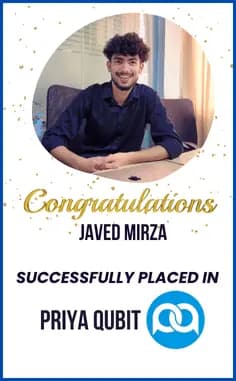
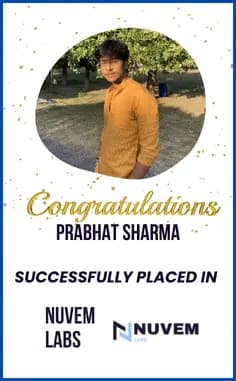
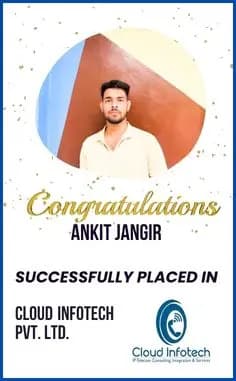
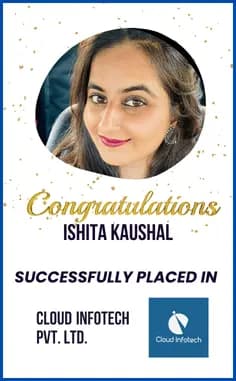
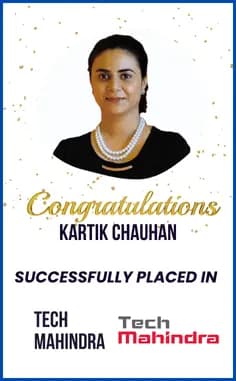
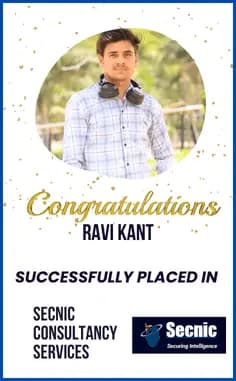
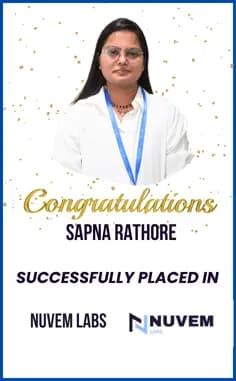
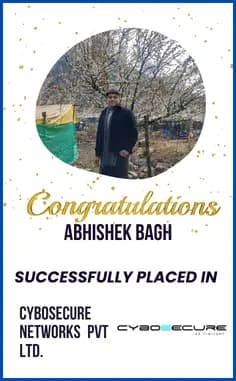
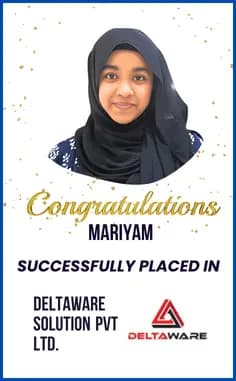
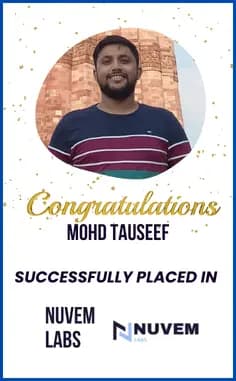
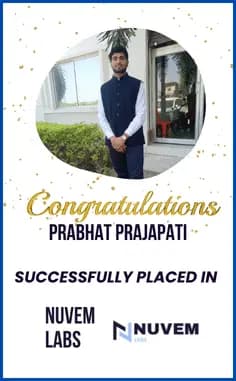
Recent Placement Success Stories
Meet the graduates who turned training into careers


























Recognition
EC-Council Circle of Excellence
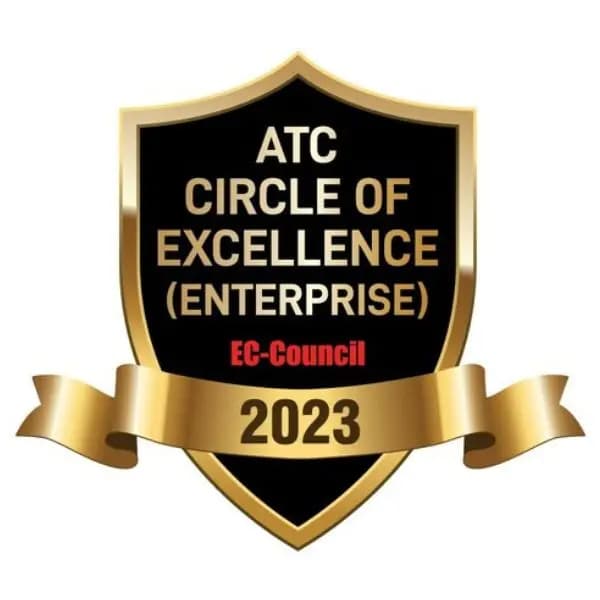

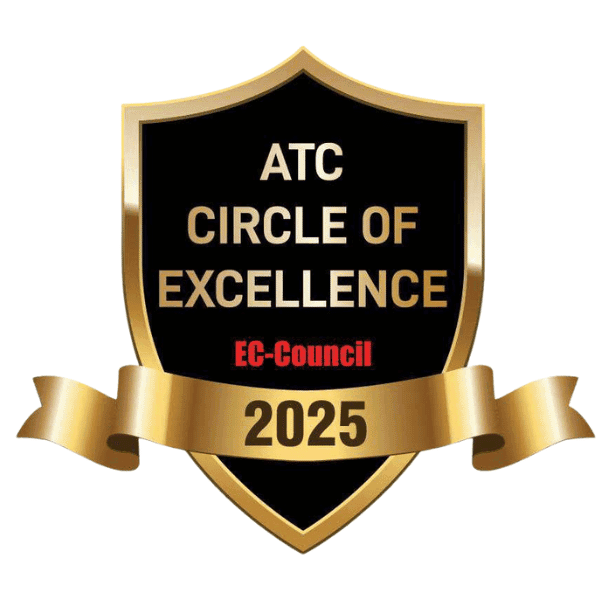
Named Best ATC Partner and Best CEI by EC-Council in consecutive years
Government & defence
Defence Training
Tailored programmes for armed-forces personnel and government departments

Indian Air Force

Indian Navy

Dept. of Military Affairs

Integrated Defence Staff
Indian Air Force
Indian Navy
Dept. of Military Affairs
Integrated Defence Staff
Companies that have hired our graduates










Frequently asked questions
What is AZ-500?
It is the Microsoft Azure Security Engineer Associate certification, aimed at people who implement security controls on Azure.
Should I do AZ-900 first?
It is not stated as mandatory, but AZ-900 gives you the vocabulary and basic services knowledge that make security topics easier.
Are labs part of the training?
The module list includes labs on intersite connectivity, traffic management, storage and virtual machines.
Is the syllabus on this page the final exam outline?
Not necessarily. Microsoft updates its exam objectives, so confirm the current skills list with a counsellor and the official exam page.
Is there a published fee or duration?
No fee or duration is given on this page. Ask the team for current details.
How do I contact Craw Security?
Call 9513805401 and ask about the next Azure security batch.
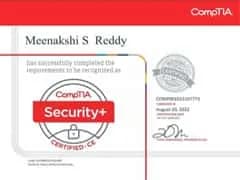
Certificates earned by our learners

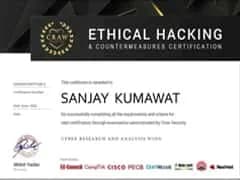
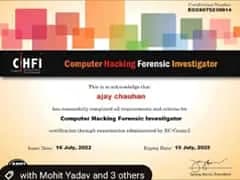
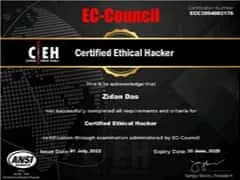
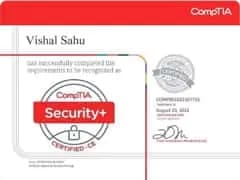
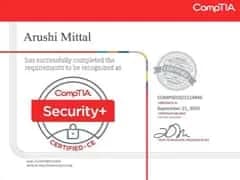

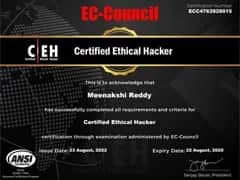
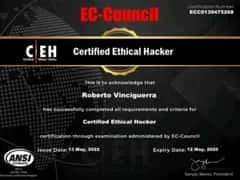

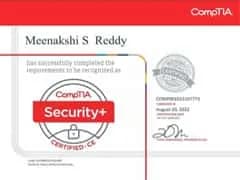
What our learners say

Saket Chaudhary
NewI recently completed my CEH Practical course and exam from Craw Security, and the experience was truly exceptional. The course was well-structured, covering all essential aspects with hands-on practical training. The mentors were incredibly supportive throughout the journey, especially my instructor, Mohit Kumar Sir, whose guidance and expertise played a crucial role in my learning process. His dedication and willingness to help made the course even more valuable. I highly recommend Craw Security to anyone looking to enhance their cybersecurity skills. A well-deserved 5 out of 5 stars 🤩

Philis Mutamba
Really enjoyed my CEH training with Craw Security. My trainer Robin Paul was patient, clear, and very knowledgeable. The course structure and hands-on sessions were really really helpful.

Kashish Jaiswal
I recently completed my CEH (Certified Ethical Hacker) training at Craw Security, and also took the CEH certification exam. My overall experience was highly positive. The training was well-structured and delivered by experienced instructors (Mohit Sir) who had in-depth knowledge of ethical hacking concepts. The course covered a wide range of topics, They were patient in clearing doubts and ensured that all students, regardless of their prior experience, could grasp the topics effectively. The institute provided excellent guidance on exam preparation, including practice tests, study materials, and exam-taking strategies. Their support team was also helpful in scheduling the exam and addressing any queries related to certification. I highly recommend Craw Security to anyone looking for any Security related training’s. Would definitely consider returning for more advanced cybersecurity courses in the future!

Keshav gupta
I recently took Linux classes at Craw Security Institute, and it was an excellent learning experience. The course was well-structured, and the practical knowledge I gained has been invaluable. A special thanks to Anand Sir for his dedication

Tushar Meena
Amit Sharma Sir is an exceptional AWS Associate teacher at Craw Saket. His deep knowledge, clear explanations, and practical teaching approach make complex topics easy to understand. He's always supportive and ready to clear doubts. Truly appreciate his dedication and teaching style — highly recommended for anyone looking to learn AWS the right way!

Vikash Yadav
The experience at Craw Security has been excellent! The learning environment is welcoming, and the staff is supportive and responsive. Even beginners feel well-guided throughout the program. It's a supportive place to build a strong foundation in cybersecurity.

Rohit Sharma
I recently completed CEH practical on craw security. Which was a great decision i made fr they're well organised with proper support and my mentor Robin paul who guided me throughout i personally thank him here..

Ankit Verma
Craw Cyber Security provides excellent training with a strong focus on practical, hands-on learning. I especially appreciated their Red Hat course, which was well-structured and aligned with real exam scenarios. The instructors are highly knowledgeable, and the staff is very supportive and friendly, always ready to assist. It's a great place to start or grow your career in cybersecurity and Linux administration.

Amit Kashyap
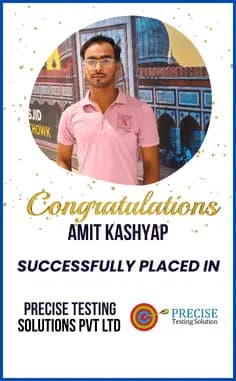
I had a great experience with CRAW Security! The cybersecurity training was practical and industry-relevant. The trainers were very supportive throughout. Special thanks to Mansi Ma'am from the placement cell for her constant support and guidance — because of her help, I got successfully placed. Highly recommend this institute!

Yashika singhaniya
Grateful to Craw Security for an excellent learning experience in cybersecurity. A big thank you to Sahil Sir and Bhumika Ma’am for their mentorship, support, and encouragement during my learning process.

Charan Kumar reddy Yandapalli
I am very happy to participated as a member of CRAW security. This company is very Good at atmosphere and very good for learning also. I'm strongly recommending Craw security to your cyber security future 👍
Where our learners go on to work